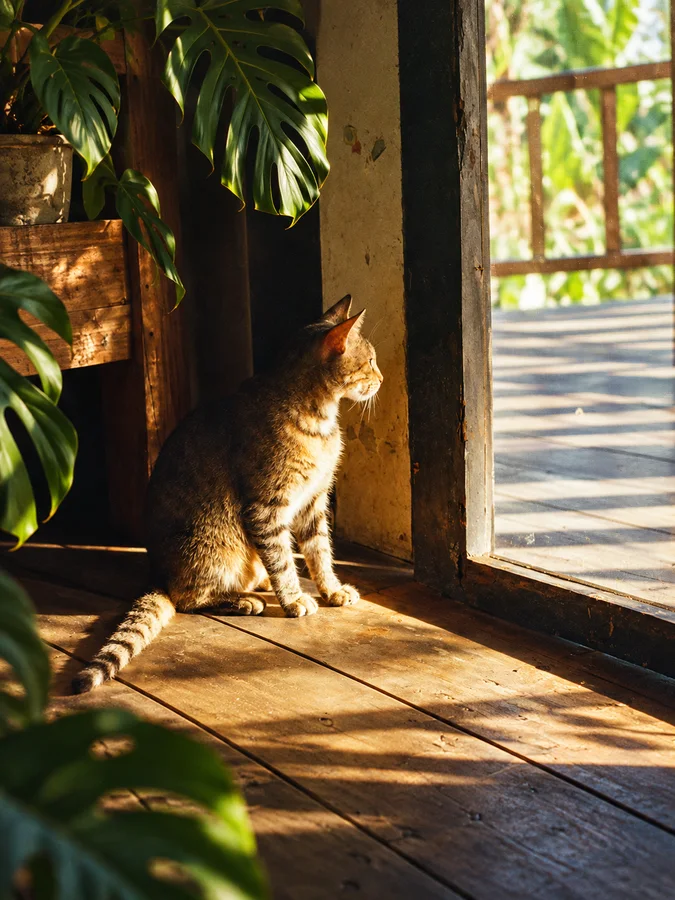
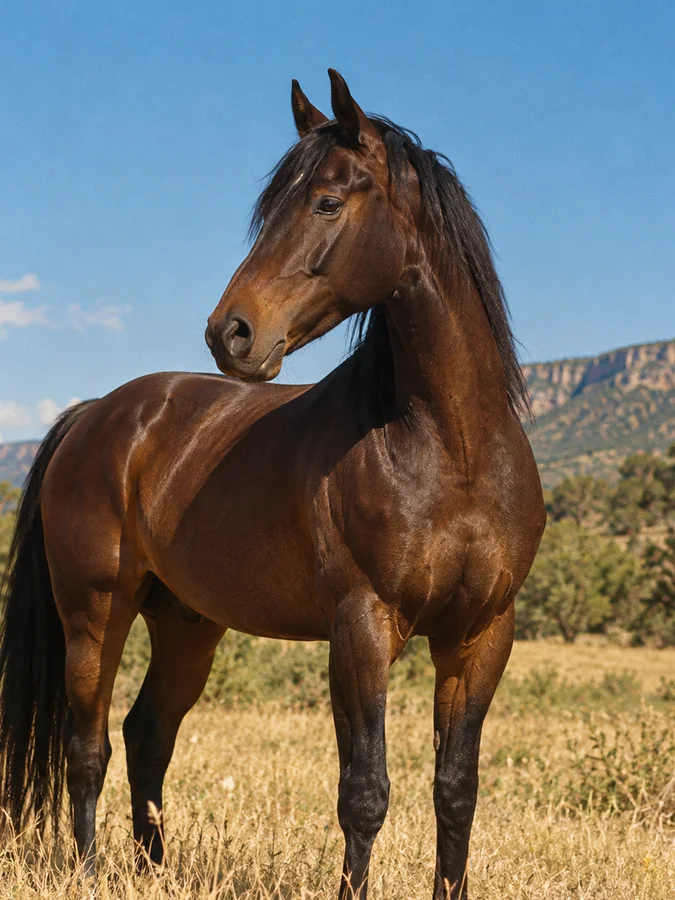
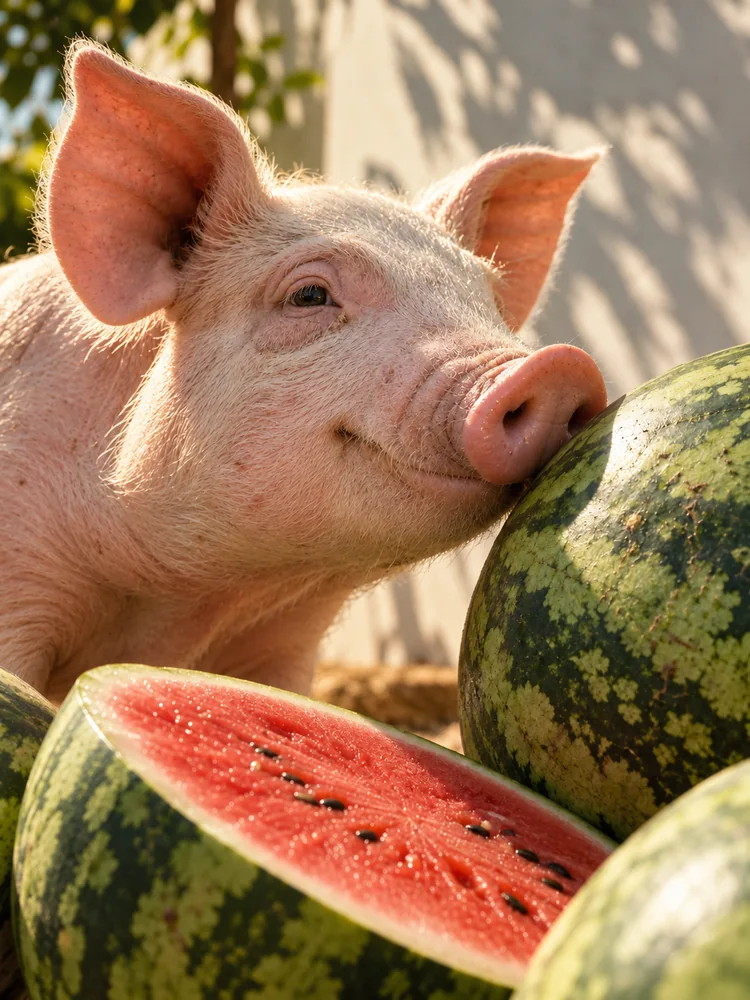
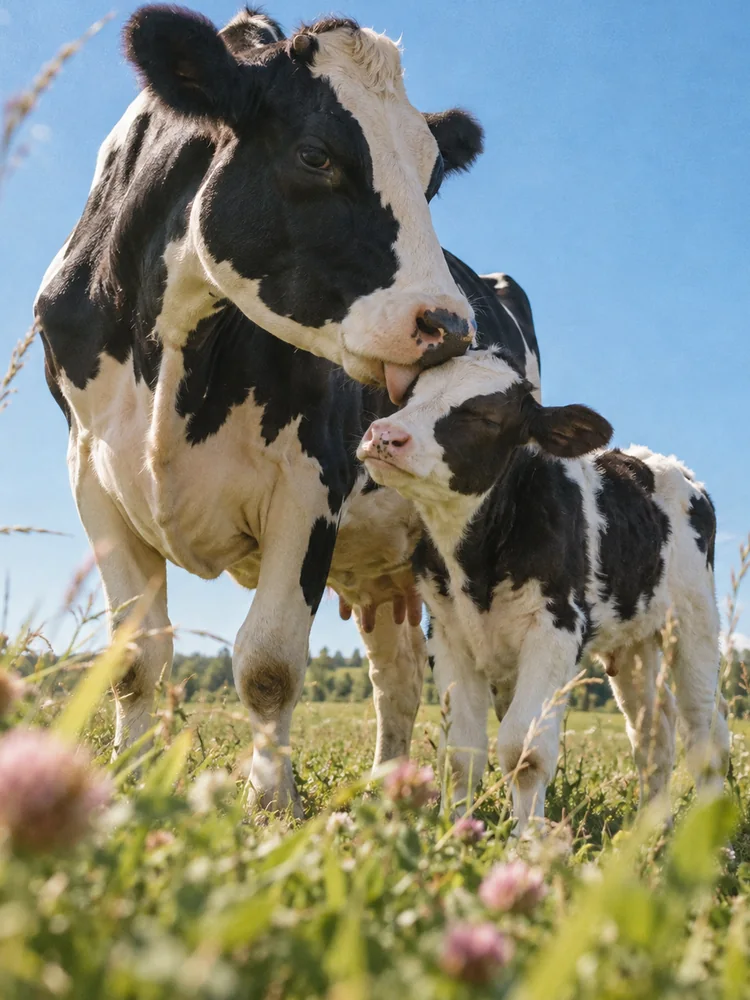
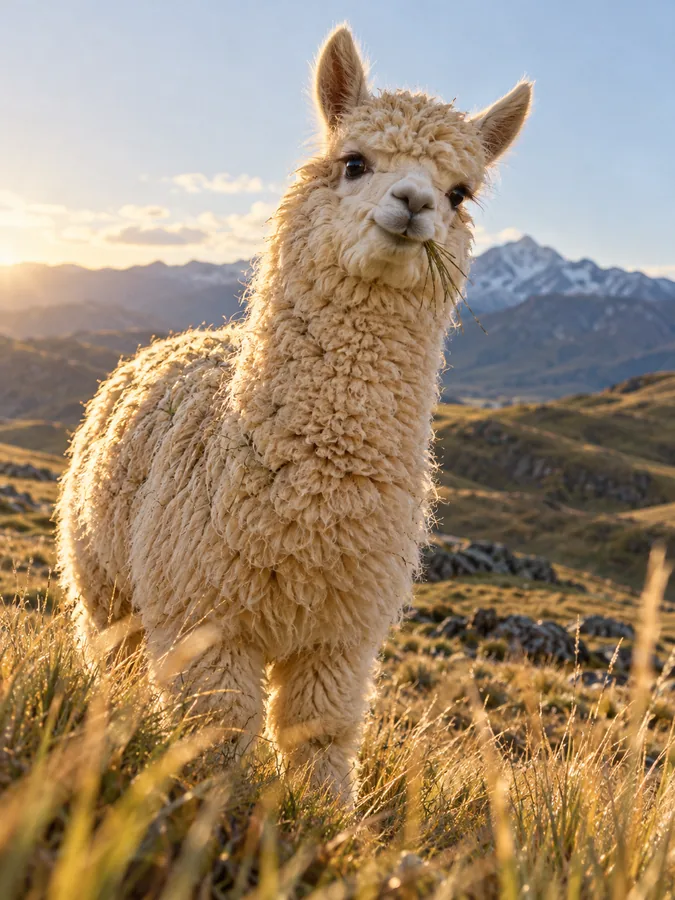
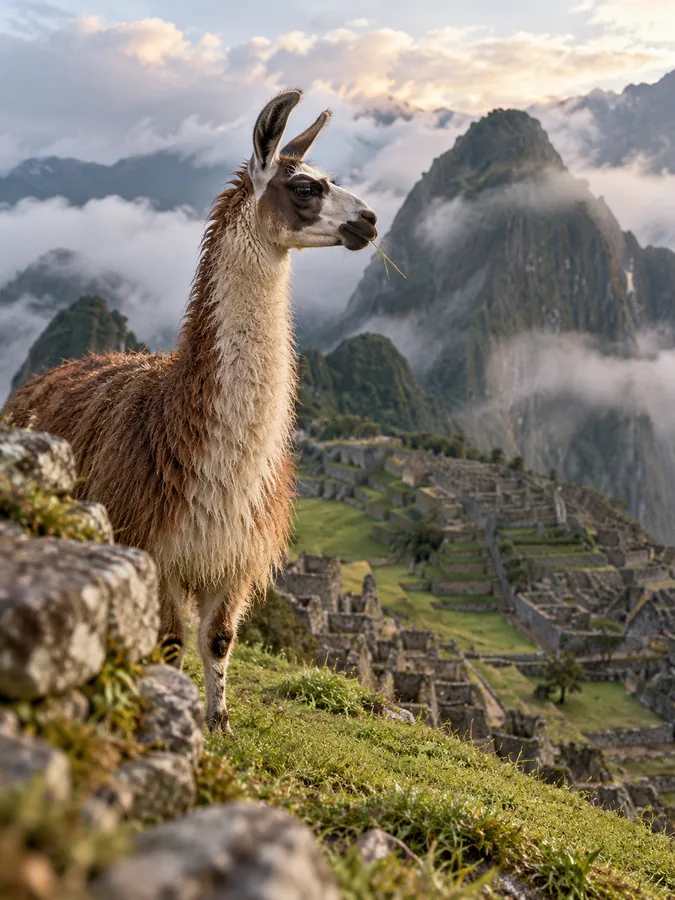
Ears
The best mood signal.
For exampleLoose, hanging ears go with calm, good moments like grazing or being gently brushed. Ears held back go with bad moments.
Clever, social and never happier than with the flock, a face-reader who hides pain well.
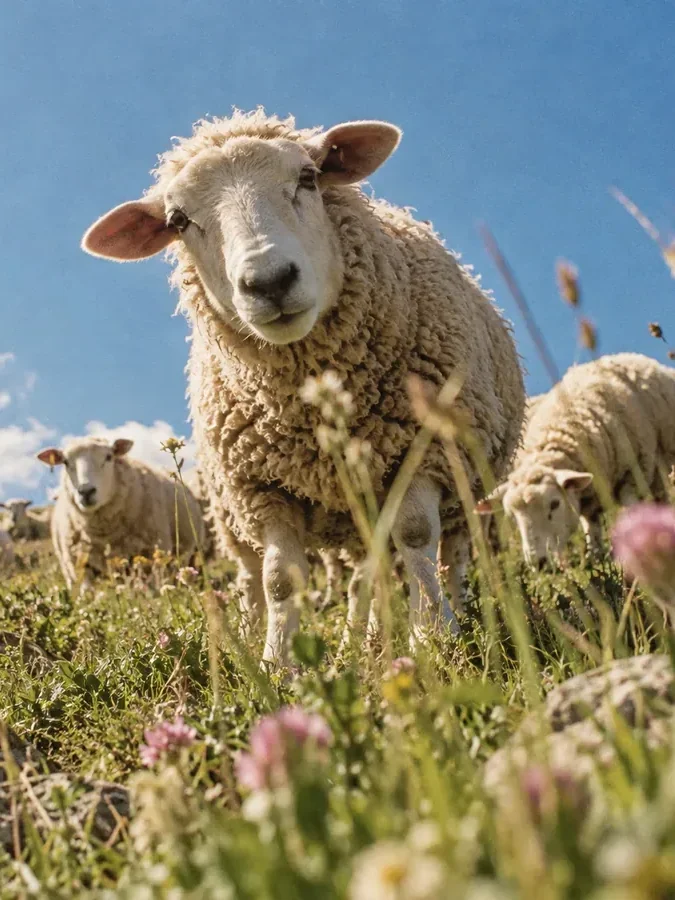
Sheep are flock animals and prey animals, and almost everything they do makes sense once you remember that. A sheep feels safe when other sheep are close, and like most hunted animals, sheep try hard not to look weak, so they hide pain.
They are also much smarter than their reputation. Sheep can recognise the faces of dozens of other sheep and still remember them two years later.
A few of the channels FaunaVera watches and listens to in every sheep video, weighed together with context and checked against a sheep-specific ethogram.
The best mood signal.
For exampleLoose, hanging ears go with calm, good moments like grazing or being gently brushed. Ears held back go with bad moments.
The sheep pain face.
For exampleNarrowed eyes, tight cheeks, ears turned back and down and V-shaped nostrils are part of validated sheep pain scales.
Lameness.
For exampleA head bobbing with each step, short steps on one leg or grazing on the knees are signs of lameness.
Posture and stillness.
For exampleA hunched back, or standing frozen like a statue with the head low, can mean pain.
Distance and togetherness.
For exampleA sheep standing apart from the flock, head low and not eating or chewing the cud, may be unwell.
Bleats and rumbles.
For exampleA ewe and her lamb learn each other’s voices within the first two days, and lambs know both their mother’s low rumble and her loud bleat.
Move calmly and quietly, and never separate one sheep from the flock if you can help it. Even a picture of a familiar sheep’s face calms a sheep who is alone, but the real fix is other sheep.
Upload a short video and FaunaVera reads the whole picture for you: an Interpretation, Voice of Animal, practical Tips and Ethogram Insights that explain exactly which signals it saw.
FaunaVera's sheep ethogram draws on 29 science-backed references. Here are a handful of them.
Everyday moments, filmed at home, in the field and on the farm. Follow along for more @fauna.vera.