VeriBark is now FaunaVera. Same science. Now 7 species.
Species to come

Who should welisten to next?

Our thirteen companion and farmed species are chapter one. Scientists are decoding communication across the animal kingdom, and every new species needs their own ethogram, built from their own research. Here is some of the work we find most exciting.

Sperm whales
Sperm whales
Communication research

Sperm whales

Sperm whales talk in rhythmic clicks called codas. A 2024 analysis of thousands of codas found they vary in tempo, rhythm and small added clicks, combining like a sound alphabet far richer than anyone expected.

Sharma et al. 2024, Nature Communications Read Sperm whales source
Marmosets
Marmosets
Communication research

Marmosets

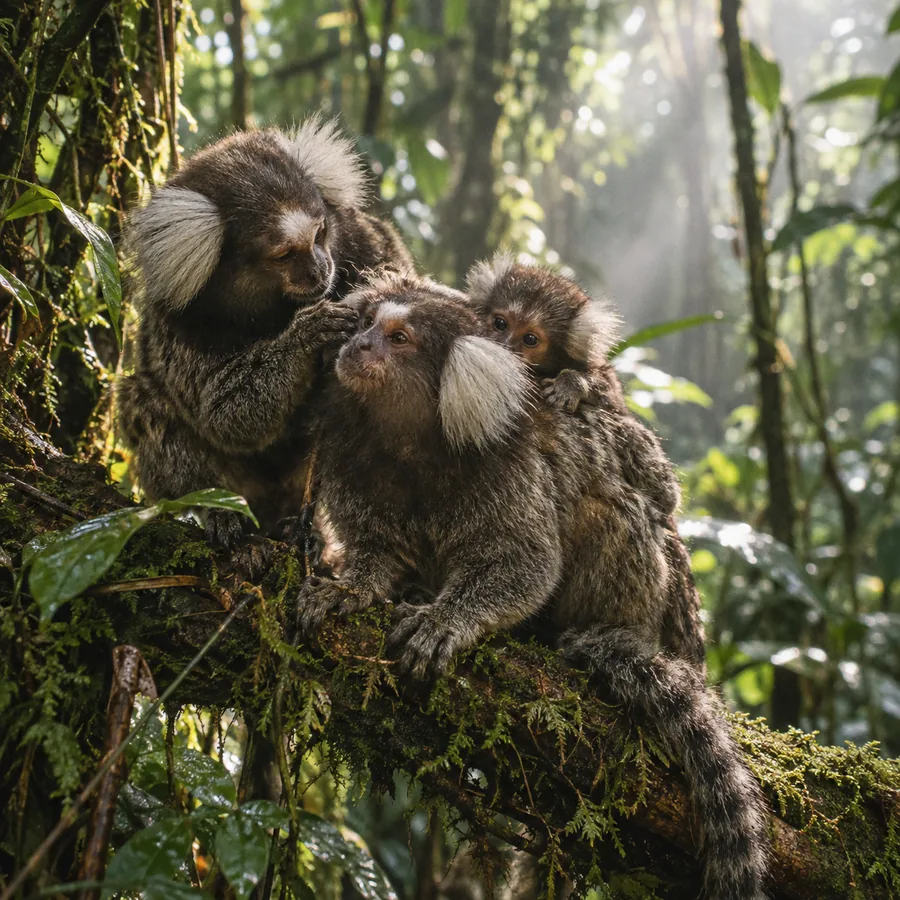
Marmoset monkeys use specific "phee" calls to label individual family members, and they can tell when a call is meant for them.

Oren et al. 2024, Science Read Marmosets source
Prairie dogs
Prairie dogs
Communication research

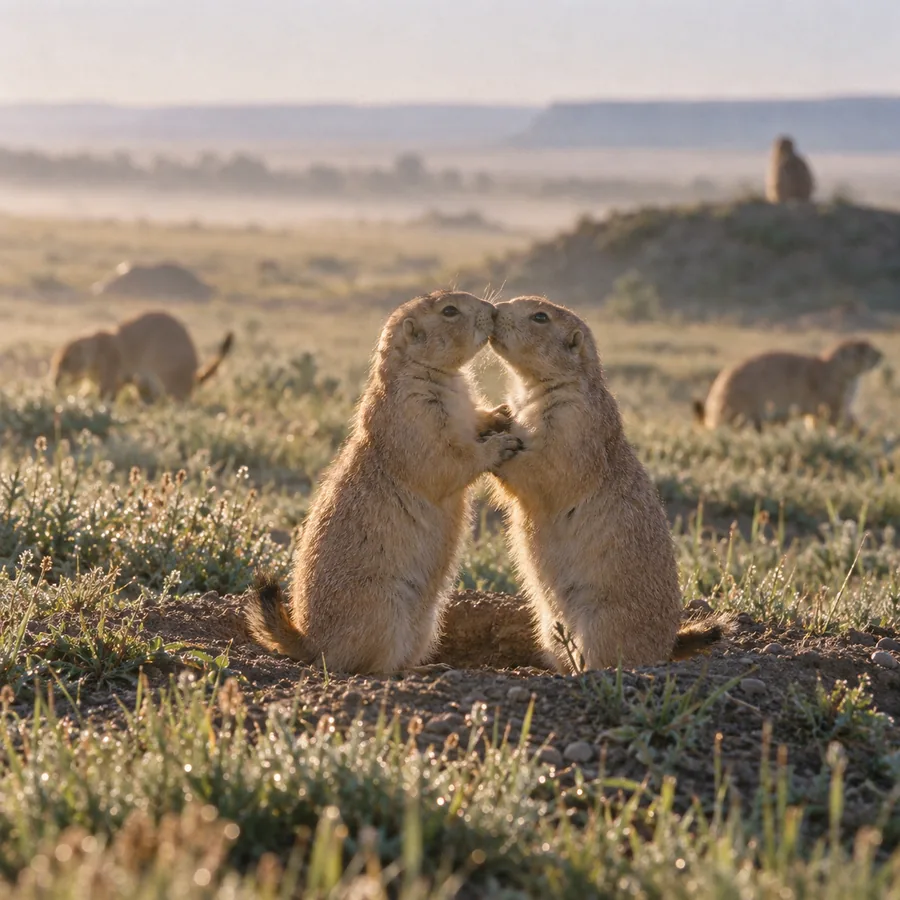
Prairie dogs

Prairie dog alarm calls do not just say "danger." They change with the type of predator, and even with the size and colour of an approaching person.

Slobodchikoff, Paseka & Verdolin 2009, Animal Cognition Read Prairie dogs source
Crows
Crows
Communication research

Crows

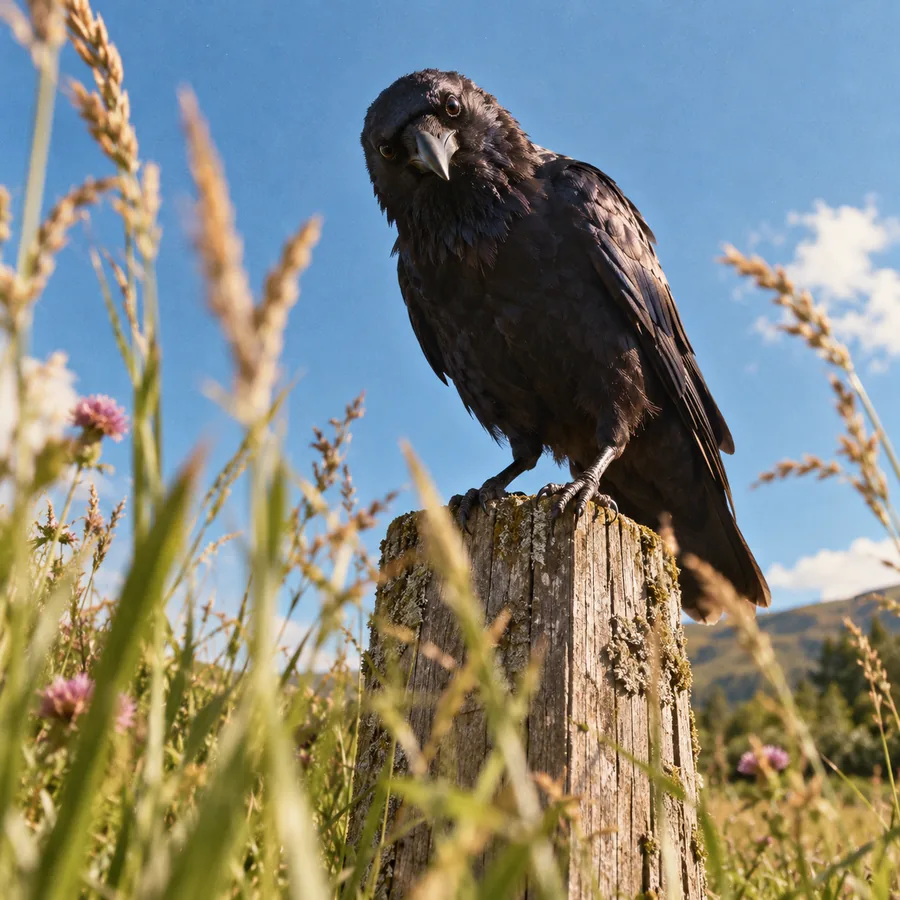
Crows recognise individual human faces, remember people who threatened them for years and teach other crows to scold those people too.

Marzluff et al. 2010, Animal Behaviour Read Crows source
Elephants
Elephants
Communication research

Elephants

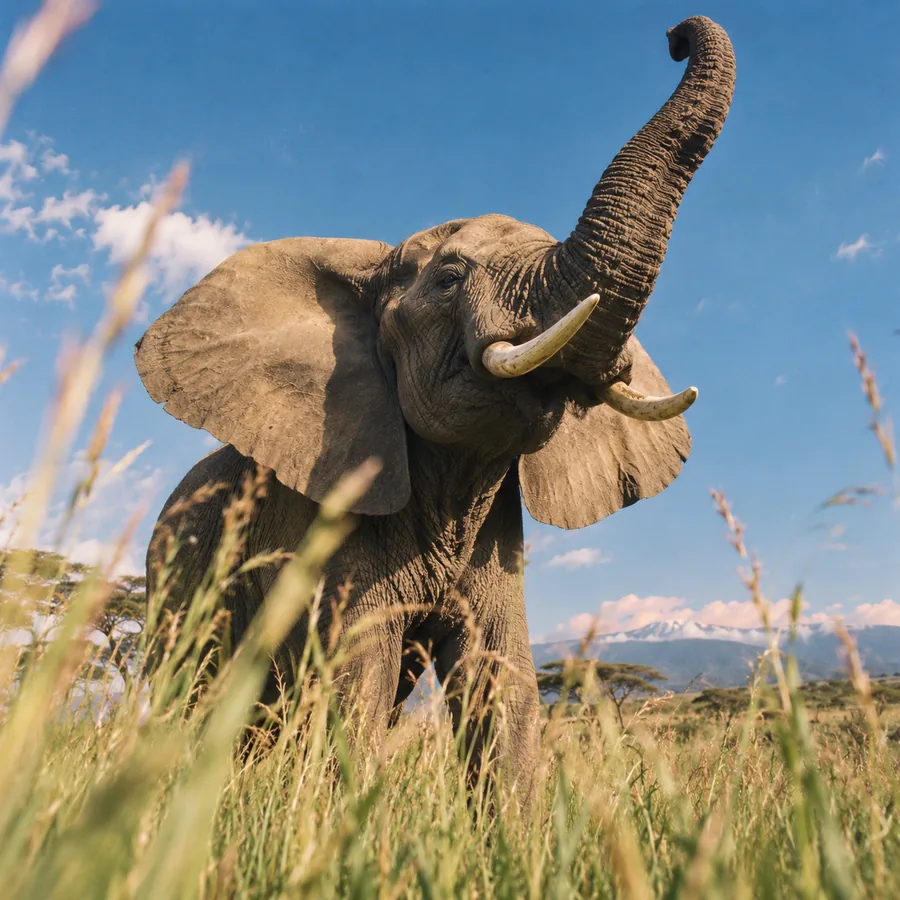
African elephants appear to address each other with name-like calls. Elephants responded more strongly to recordings of calls originally aimed at them than to calls aimed at others.

Pardo et al. 2024, Nature Ecology & Evolution Read Elephants source
Honeybees
Honeybees
Communication research

Honeybees

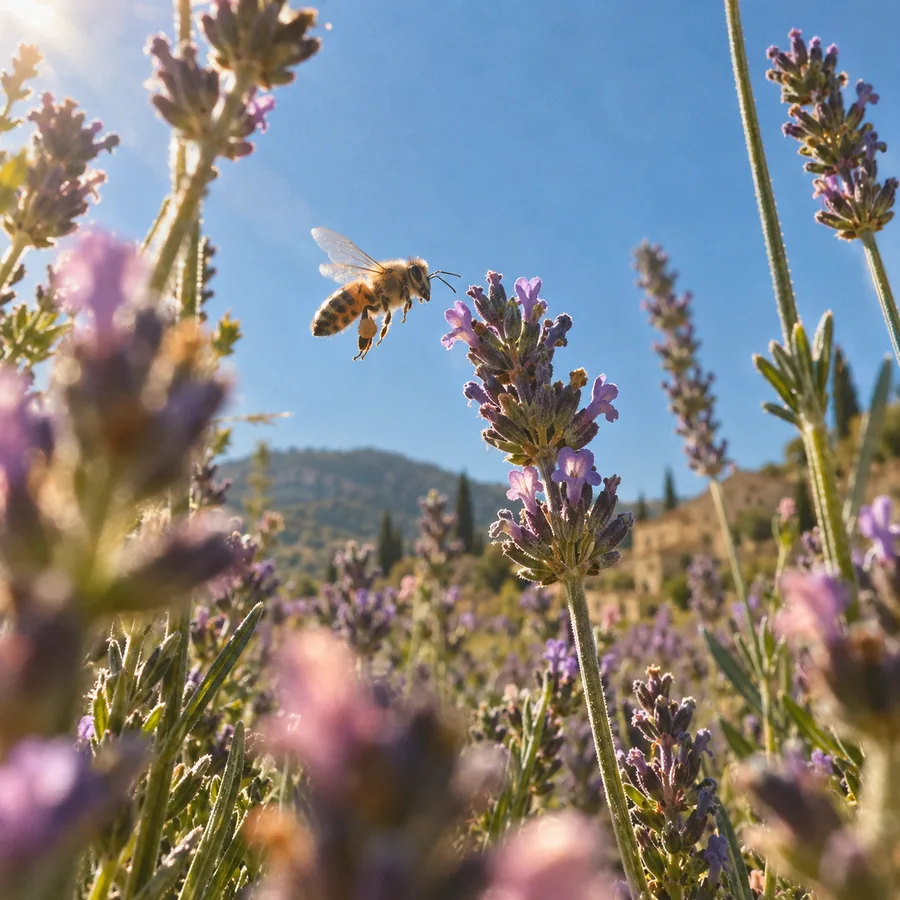
A forager bee returning to the hive dances. The angle of her "waggle run" points the way to the flowers, and its length says how far away they are.

von Frisch, Nobel Prize 1973 Read Honeybees source
Rats
Rats
Communication research

Rats

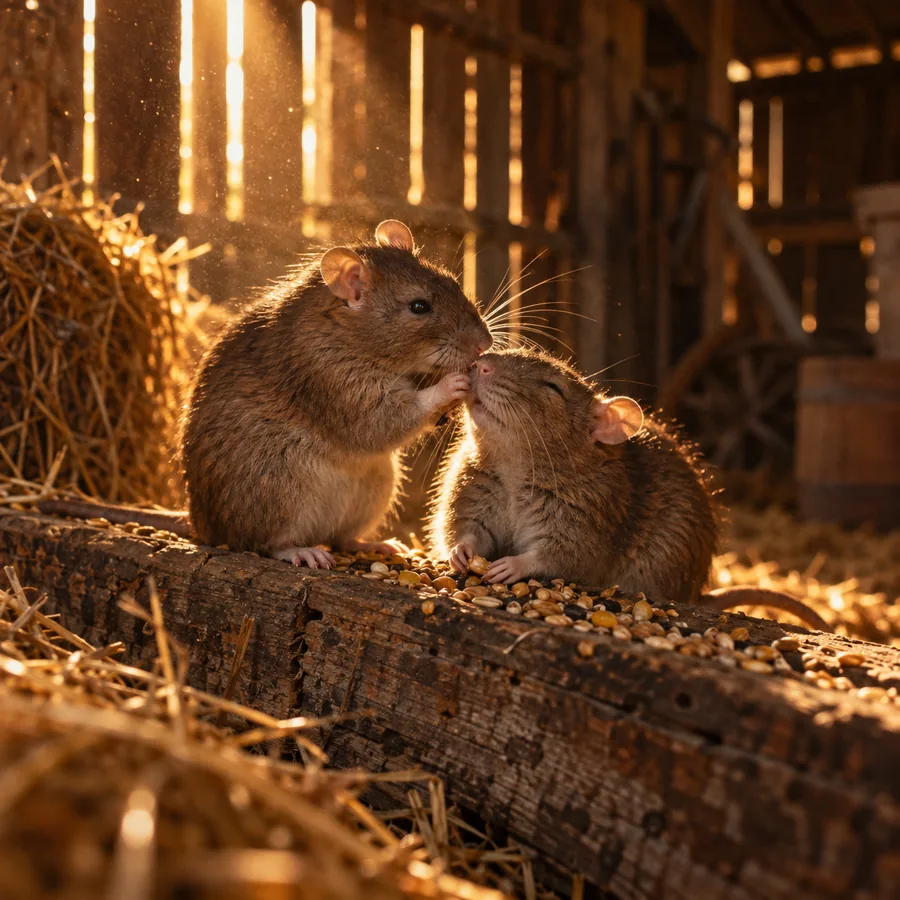
Rats make ultrasonic chirps during play and tickling that have been compared to laughter. Researchers have also built a validated grimace scale to spot pain on a rat's face.

Panksepp & Burgdorf 2000; Sotocinal et al. 2011 Read: laughter Rats source Read: grimace scale Rats source
Parrots
Parrots
Communication research

Parrots

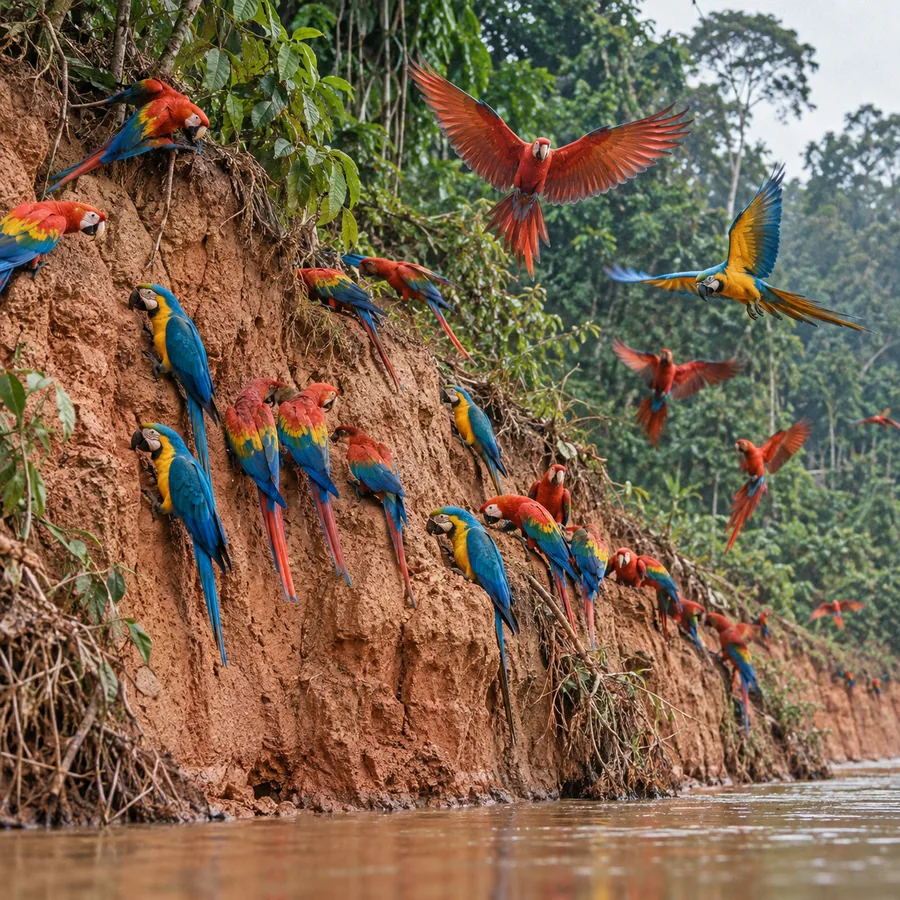
Wild parrot chicks are given their own contact calls by their parents, which work much like names.

Berg et al. 2012, Proceedings of the Royal Society B Read Parrots source
Humpback whales
Humpback whales
Communication research

Humpback whales

Male humpbacks sing long, structured songs, and whole populations change their song together. New songs can sweep across an entire ocean basin within a couple of years, one of the clearest examples of culture in animals.

Garland et al. 2011, Current Biology Read Humpback whales source
Vervet monkeys
Vervet monkeys
Communication research

Vervet monkeys

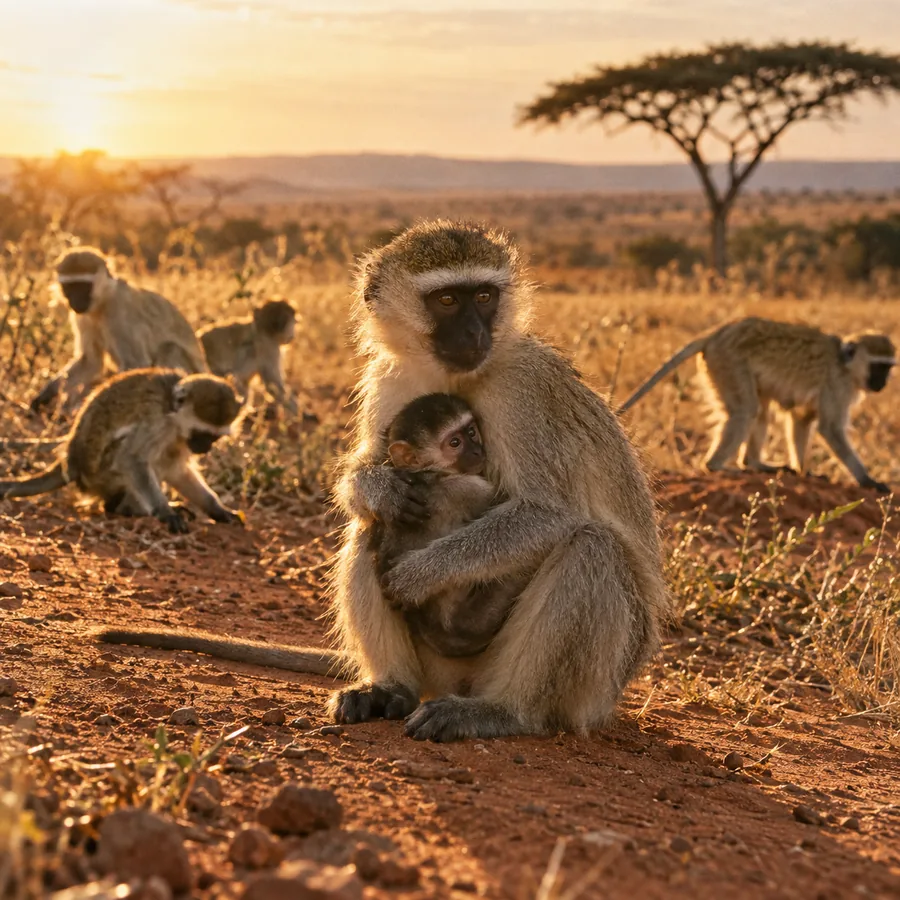
Vervets give different alarm calls for leopards, eagles and snakes, and each call sends the group into a different escape: up a tree, into the bushes, or up on two legs to scan the grass.

Seyfarth, Cheney & Marler 1980, Science Read Vervet monkeys source
Meerkats
Meerkats
Communication research

Meerkats

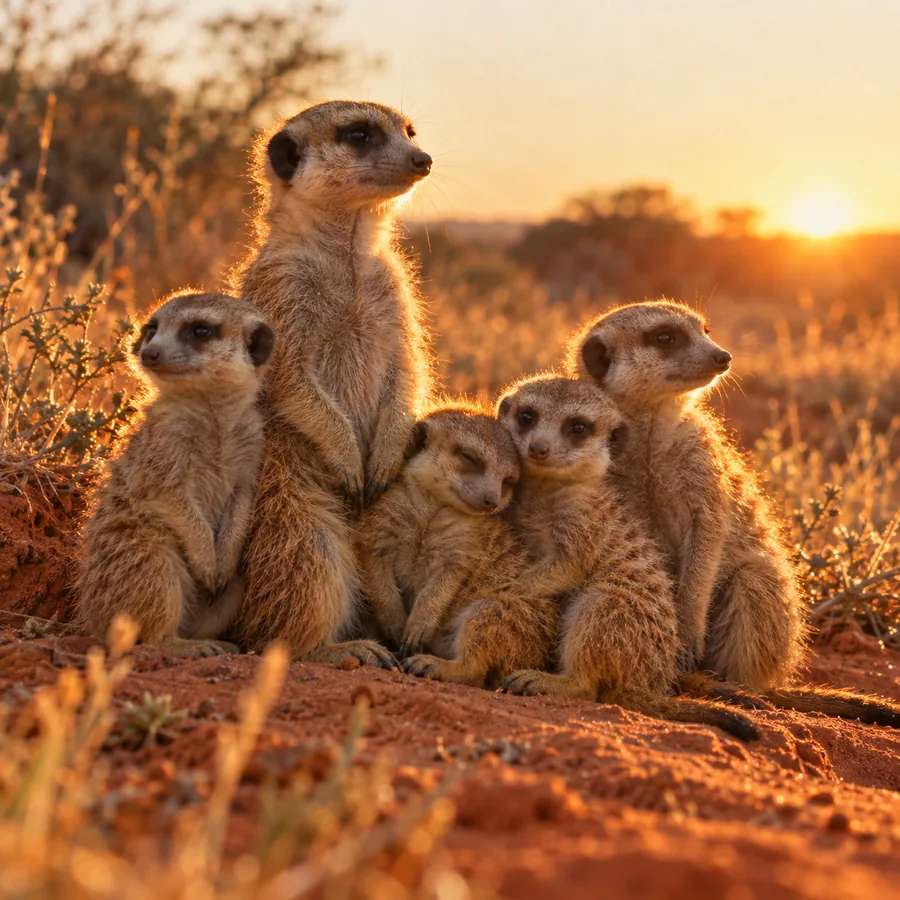
Meerkat alarm calls encode both the type of predator and how urgent the threat is, so the group knows whether to watch, run for a burrow or gather together.

Manser 2001, Proceedings of the Royal Society B Read Meerkats source
Wolves
Wolves
Communication research

Wolves

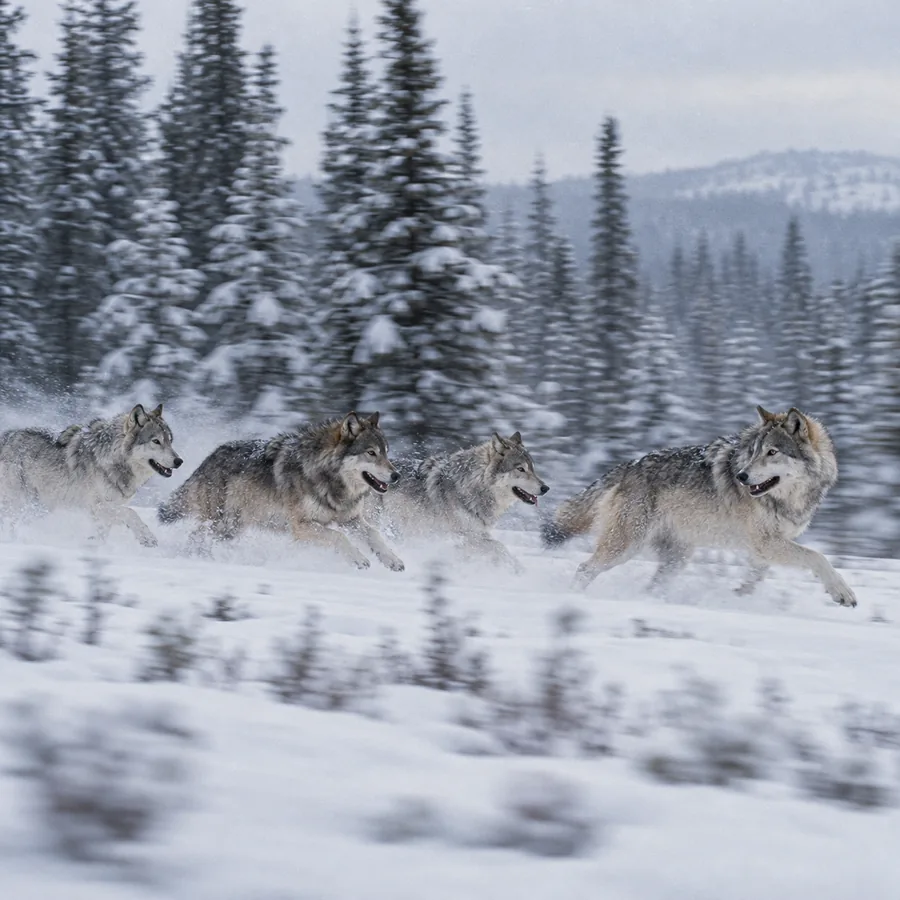
Each wolf has an individual howl. Researchers can identify individual wolves from their howls alone, and pack members use howls to find each other across long distances.

Root-Gutteridge et al. 2014, Bioacoustics Read Wolves source
Mice
Mice
Communication research

Mice

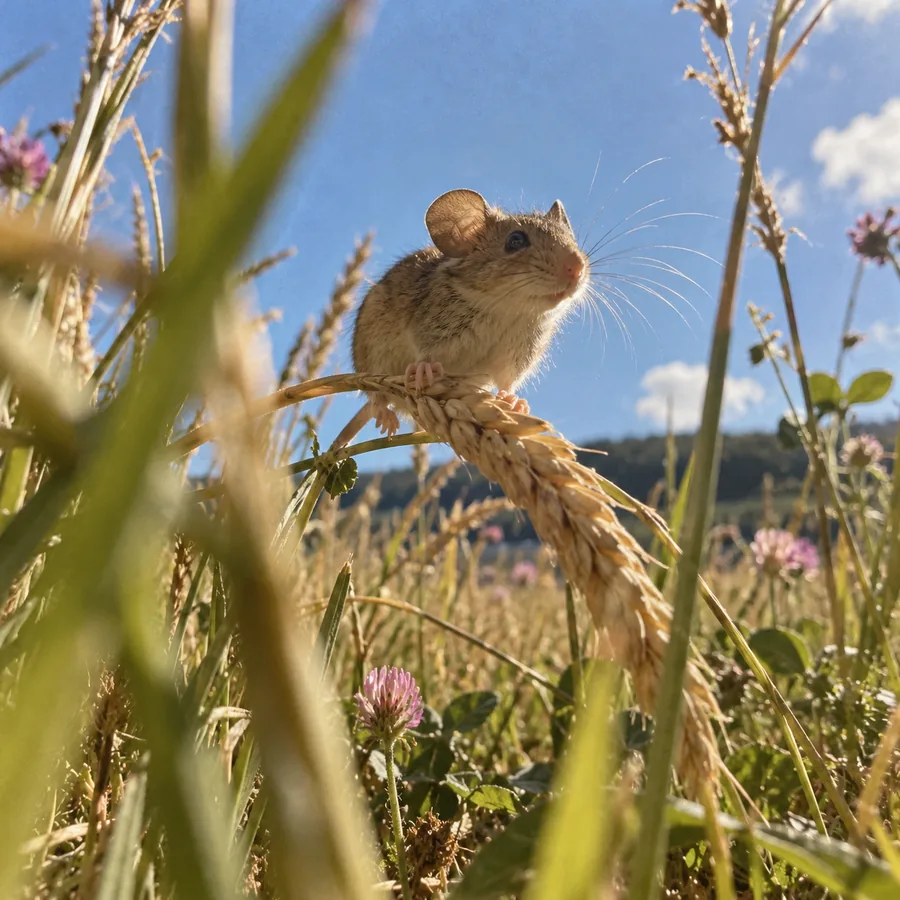
Male mice sing ultrasonic songs to females, far too high for us to hear, with structure much like birdsong.

Holy & Guo 2005, PLoS Biology Read Mice source
Zebra finches
Zebra finches
Communication research

Zebra finches

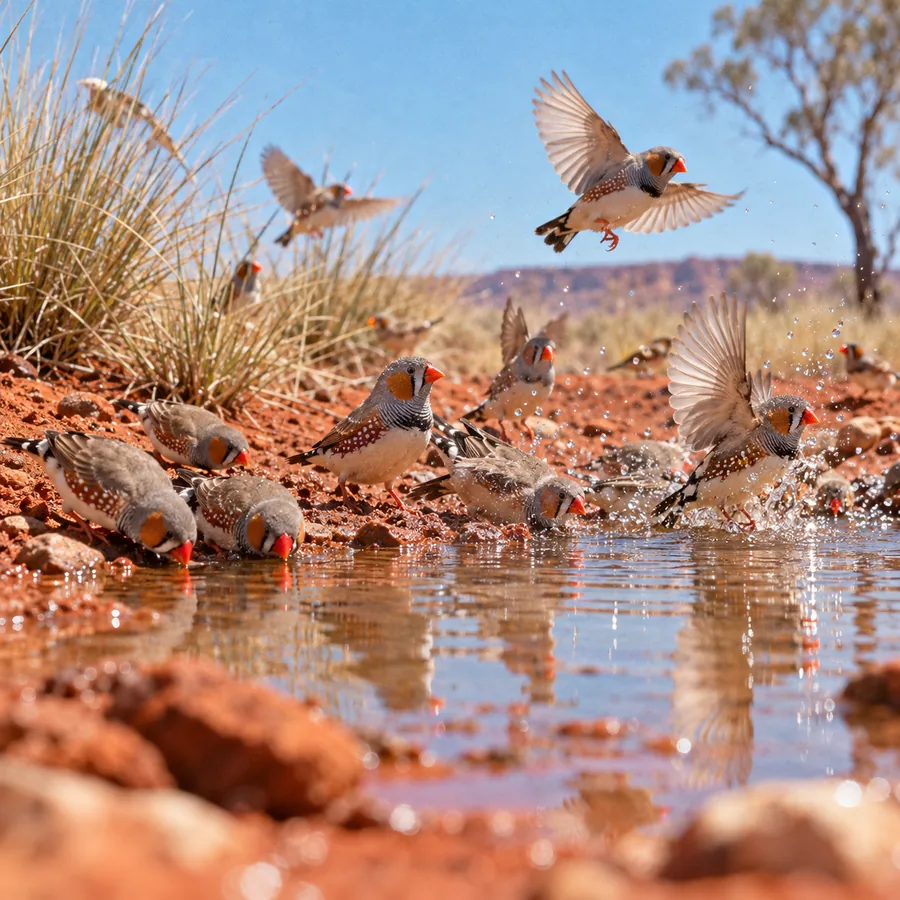
Young male zebra finches learn their song from an adult tutor, practising it through a babbling-like phase, which makes them a key model for how speech is learned.

Brainard & Doupe 2002, Nature Read Zebra finches source
Octopuses
Octopuses
Communication research

Octopuses

Octopuses and cuttlefish talk with their skin, changing colour, pattern and texture in fractions of a second to signal, warn and camouflage.

Hanlon & Messenger 2018, Cephalopod Behaviour Read Octopuses source
Dolphins
Dolphins
Communication research

Dolphins

Bottlenose dolphins develop a signature whistle that works like a name. When researchers played dolphins their own whistle, copied by another dolphin, they answered.

King & Janik 2013, PNAS Read Dolphins source
Chimpanzees
Chimpanzees
Communication research

Chimpanzees

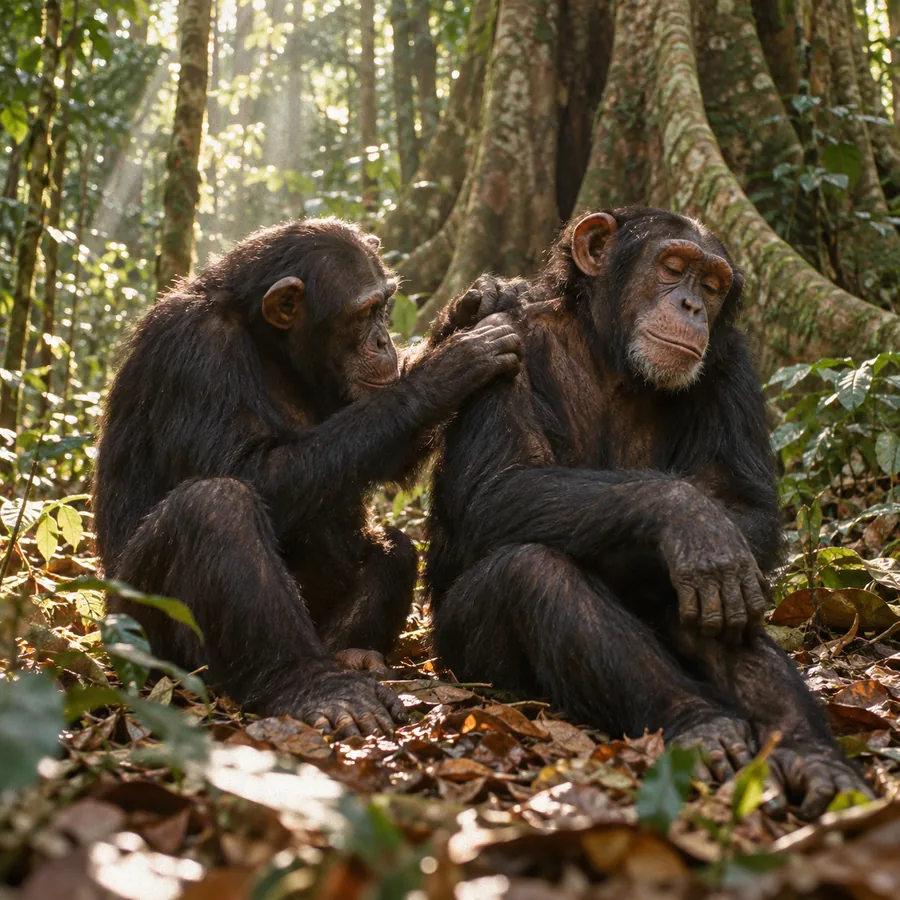
Wild chimpanzees use dozens of distinct gestures with specific meanings, from "groom me" to "follow me," and many of those gestures overlap with the ones bonobos use.

Hobaiter & Byrne 2014, Current Biology Read Chimpanzees source
Chickadees
Chickadees
Communication research

Chickadees

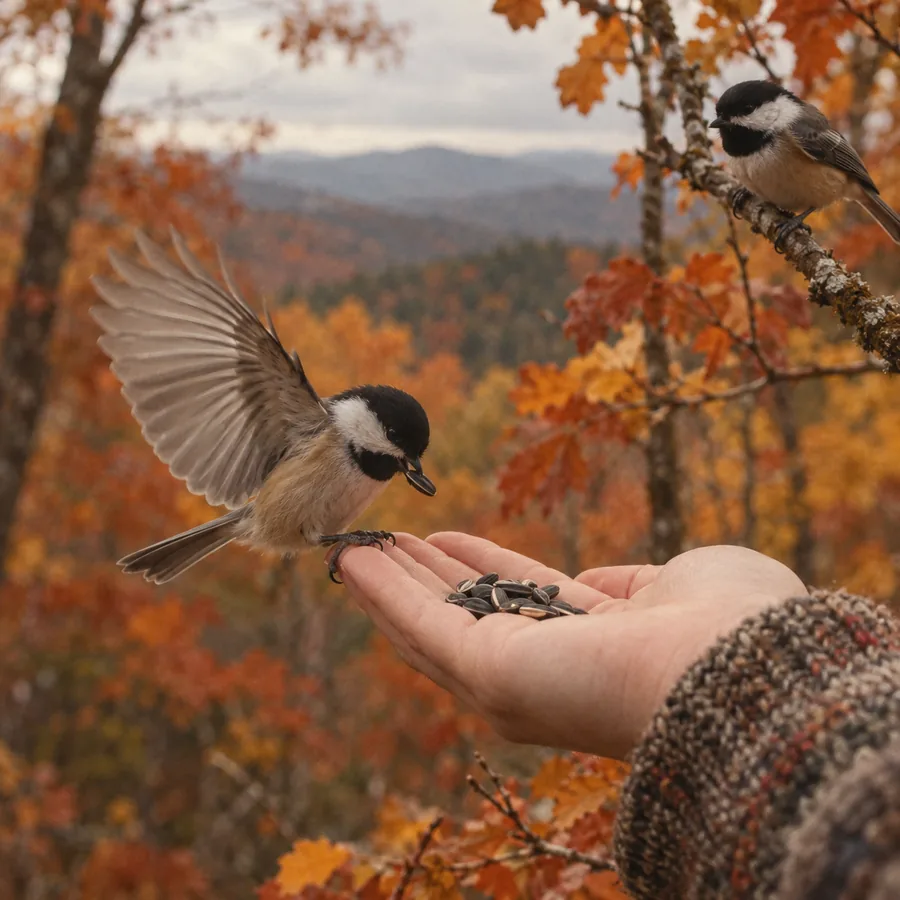
Chickadees have a built-in threat scale. In the black-capped chickadee, more "dee" notes on the end of a call meant a smaller, more dangerous predator nearby.

Templeton, Greene & Davis 2005, Science Read Chickadees source
Black bears
Black bears
Communication research

Black bears

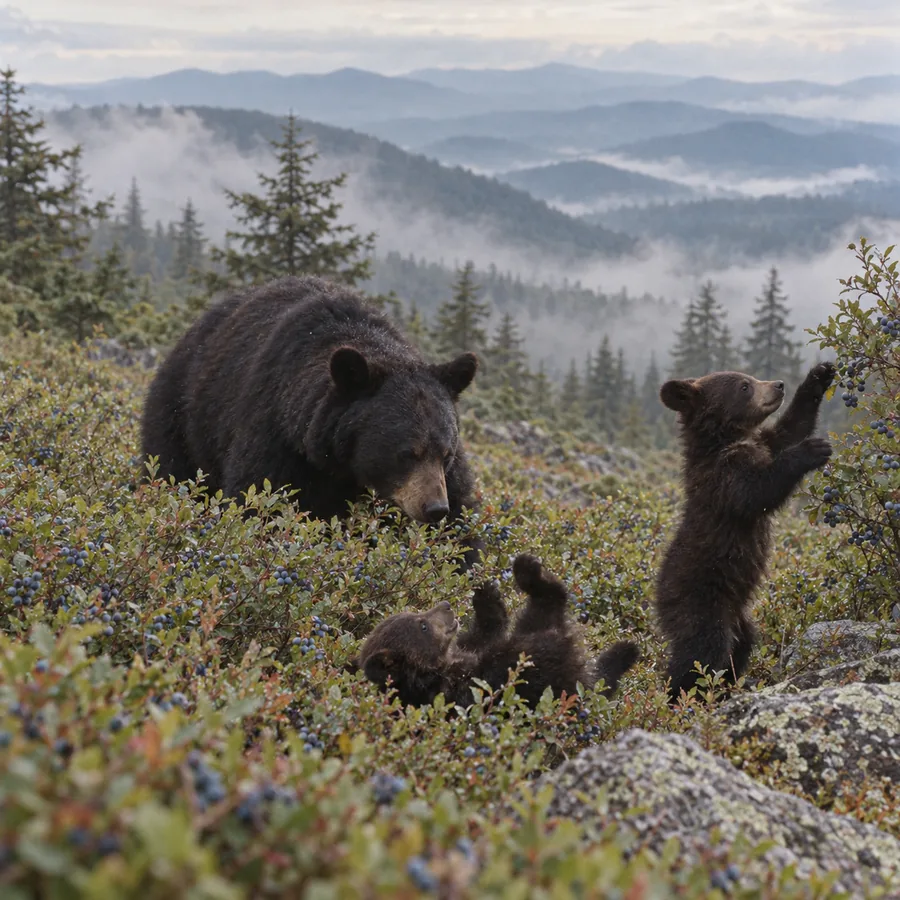
Black bears say a lot before they ever charge. Huffing, jaw-popping, slapping the ground and bluff charges are usually a nervous bear asking for space, not an attack.

North American Bear Center, Vocalizations and Body Language Read Black bears source
Pigeons
Pigeons
Communication research

Pigeons

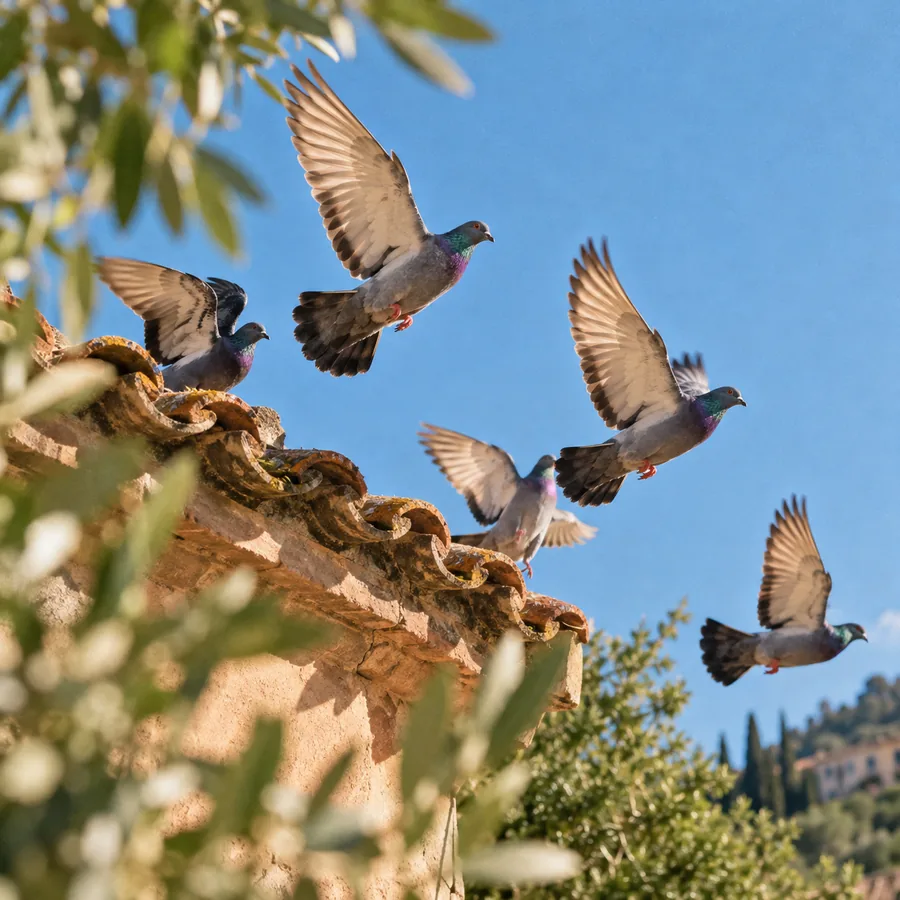
Crested pigeons sound an alarm with their wings. A special flight feather makes a high-pitched whistle when a startled bird takes off, and other pigeons flee when they hear it.

Murray, Zeil & Magrath 2017, Current Biology Read Pigeons source
European robins
European robins
Communication research

European robins

Robins in cities sing in the middle of the night, and noise is the reason. The robins living where days were loudest were the ones singing after dark, moving their song to the quiet hours so it can still be heard. Streetlights mattered far less.

Fuller, Warren & Gaston 2007, Biology Letters Read European robins source
Bats
Bats
Communication research

Bats

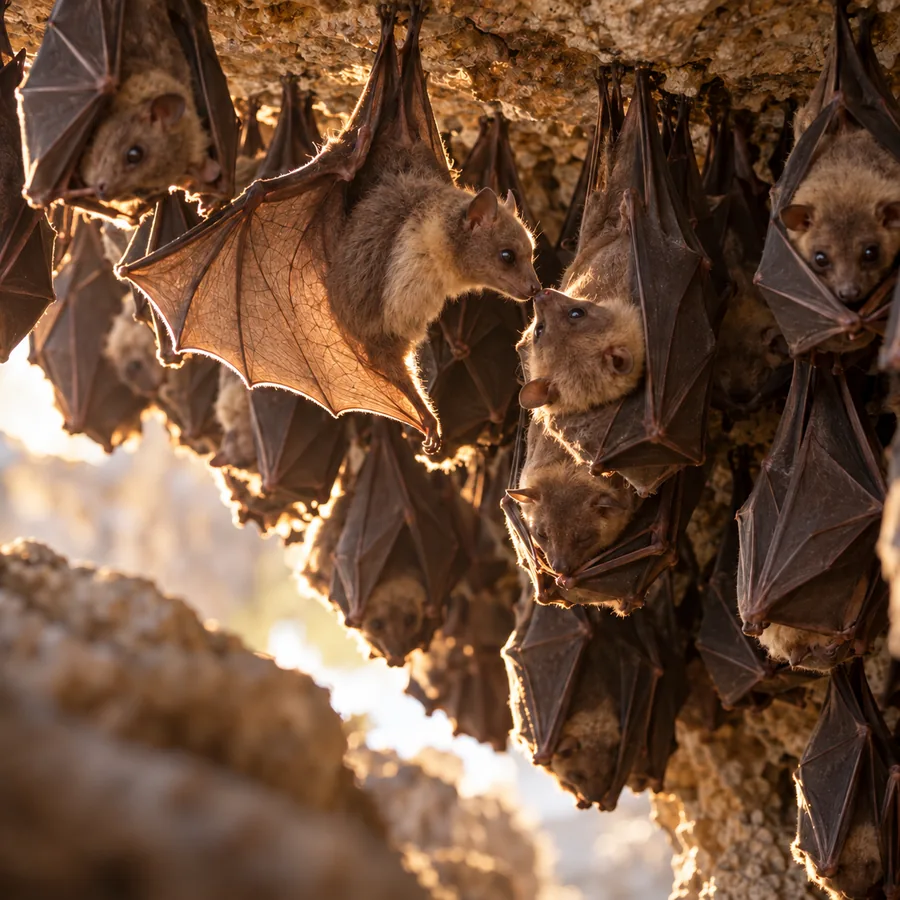
Egyptian fruit bats argue a lot, and their squabble calls carry information about who is calling, who they are calling to and what the fight is about, whether it is food, a sleeping spot or mating.

Prat, Taub & Yovel 2016, Scientific Reports Read Bats source
The little moments are everything

Come back
and listen.

Everyday moments, filmed at home, in the field and on the farm. Follow along for more @fauna.vera.

Dog / patio / Wary
Cat / patio / Sleepy
Elephant & cattle / sanctuary / Peaceful
Horses / city parade / Composed
Dog / woods / Alert